Research reveals that graphene-enhanced batteries can slash electric vehicle charging times by up to 27% while cutting battery weight by more than half, potentially solving the biggest hurdles to green transportation.

Deep-dive

Mumbai

A theoretical study from IIT Bombay can help make our military communication more robust.

Chennai

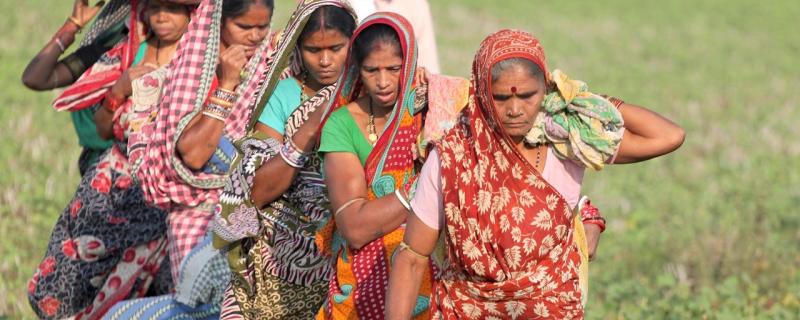
Researchers from the University of East Anglia, UK, and the M S Swaminathan Research Foundation (MSSRF), Chennai, India, have explored how women’s work in agriculture affects nutritional outcomes for the family. The study found that although agricultural outputs have increased with women working in the farms, it has left them with little time to cater to the nutritional needs of their families and themselves, resulting in malnutrition.

Indore

Study shows that more than half of river catchments are struggling to get back in shape due to human activities and climate change.

Bengaluru

Researchers from the IISc, Bengaluru, propose a mathematical model that can determine the number of mutations the hepatitis C virus can carry in an infected individual, even before starting any treatment.

Mumbai

Study explores how farmers spend on pesticides in cotton farms based on land size, irrigation and tenancy.

Patiala

Researchers from the University of Guelph, Punjabi University, Patiala and the Natural History Museum of Denmark have found some fascinating facts about the termite-eating behaviour of some rhiniid species.

Bengaluru

Study from National Institute for Advanced Studies, Bangalore, documents some astounding facts about India’s ancient metallurgical processes

Kolkata

Researchers at IISER Kolkata study the behaviour of free-ranging dogs in India to understand their food preferences.

Kolkata

Researchers at the Indian Statistical Institute, Kolkata; University of Otago, New Zealand; Fred Hutchinson Cancer  Research Centre, USA and National Institute of Biomedical Genomics, West Bengal, explain how altered levels of biological molecules, like lncRNA and miRNA, can lead to the development of oral cancer. 

Bengaluru

It is hard to live without a good night’s sleep. However, 22% of the people in industrialised countries do that regularly, when they work in shifts, including those during the night. Working in different shifts disrupts the body’s circadian rhythm—a natural process in our body that regulates the sleep-wake cycle.

Search Research Matters