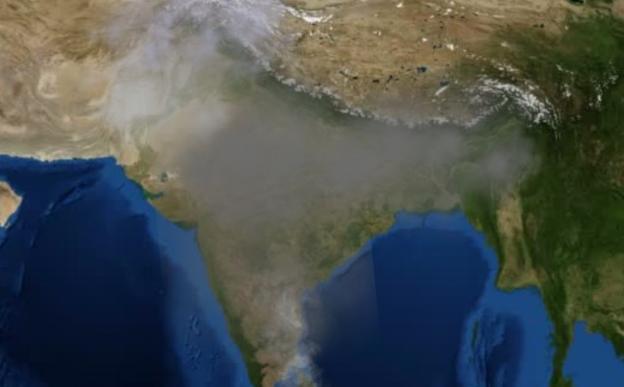
Satellite analysis confirms rising temperatures and wind patterns are driving aerosol spikes across India, with a record high in 2022 following the historic lows of the COVID-19 lockdown.

Deep-dive

Kolkata

Researchers devise a new technique to speed up processing electronic signals at significantly lower costs.
Bengaluru

Prof Bhaskaran Muralidharan and Dr Alestin Mawrie of the Indian Institute of Technology Bombay have researched a specific category of two-dimensional nanomaterials, called semi-Dirac materials. Their theoretical studies show that it is possible to engineer semi-Dirac materials to make optical filters and efficient thermoelectric nanodevices.


Bengaluru

A new study puts the focus of the conversation on Climate Change on Climate Justice.

Bengaluru

Study finds plants, which were earlier found in lower elevations, are now replacing the native vegetation of the higher altitudes.  

Bengaluru

A new study projects that between 2017-2030, India may witness a whopping 6.8 million deficit in the females born, by 2030.

Mumbai

Researchers develop a powerful stochastic neuron, like those in our brain, using random access memory to aid breakthroughs in artificial intelligence

Mumbai

Researchers from IIT Bombay find how temperature, humidity and properties of different surfaces influence the evaporation rates of respiratory droplets infected with COVID-19.


Chennai

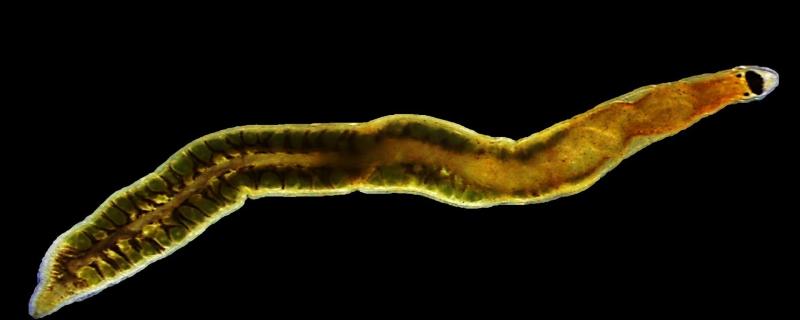
Tetrastemma freyae [Image credits: Mohandhas S Vignesh]

Mumbai

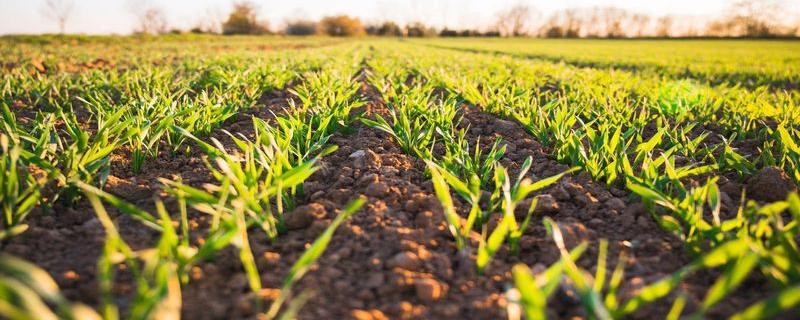
Photo by Jan Kopřiva on Unsplash

Researchers use ultra-small graphene particles to develop a new soil moisture sensor

Roorkee

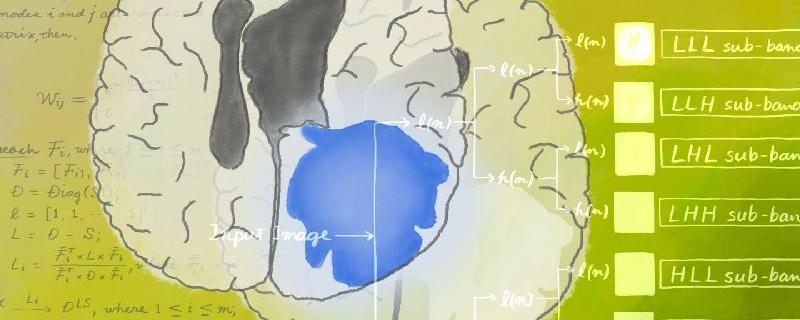
Researchers at the Indian Institute of Technology (IIT) Roorkee, India, and Kyoto University, Japan, have designed a machine-learning algorithm to identify the grade of glioma with high accuracy.

Search Research Matters