A new review reveals that rising global temperatures, increased pollution, and extreme weather events are driving a global surge in eye diseases, disproportionately affecting vulnerable communities and challenging healthcare systems.

News

Sonepat

Researchers have developed a computer model using the agent-based simulation framework, BharatSim, to simulate a potential H5N1 bird flu outbreak in a realistic South Asian community.

Kollam

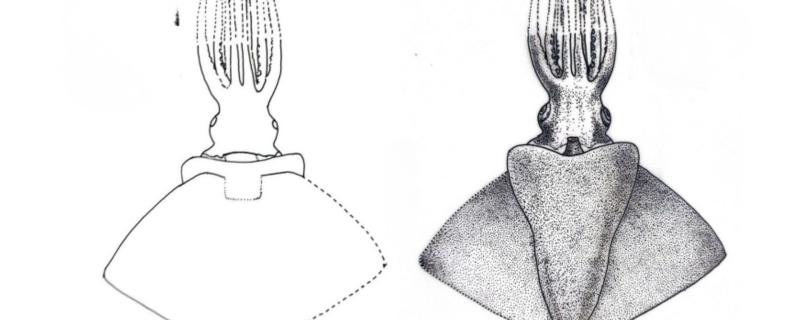
Researchers have identified a new species of giant deep-sea squid, Taningia silasii, from the southeastern Arabian Sea.

Hyderabad

India's poorest students are closing the STEM gap, but a strong gender bias and the high cost of private colleges continue to block equitable access to 'high-value' science and technology degrees.

Bhopal

Researchers found that urban female sparrows invest more time and energy into parental care than their rural counterparts, yet have significantly lower reproductive success.

Chennai

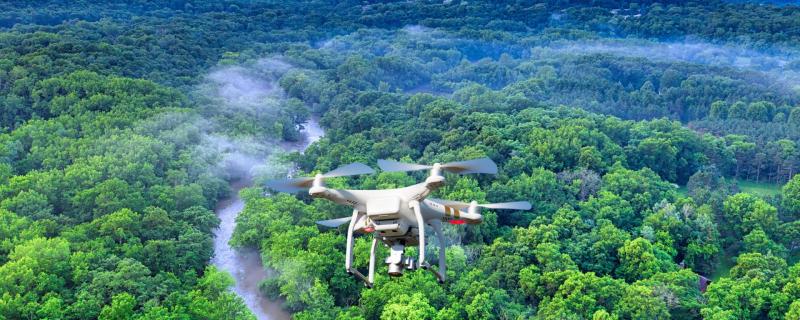
Deep learning models applied to drone images offer a fast, accurate, and scalable alternative to costly manual tree surveys.

Bengaluru

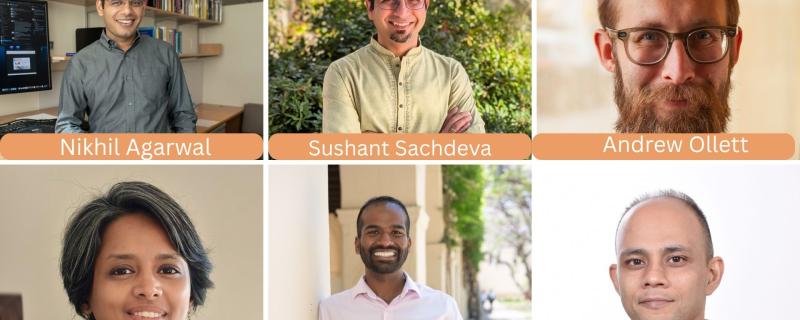
Six young researchers have been named the winners of the Infosys Prize 2025, celebrating their extraordinary contributions to science and scholarship in India. The Infosys Science Foundation (ISF) announced the laureates, all under 40, who are being honoured for research that tackles some of the world’s most pressing challenges and complex theoretical problems. Their work ranges from creating absurdly fast algorithms to pioneering sustainable fertiliser production.

Bengaluru

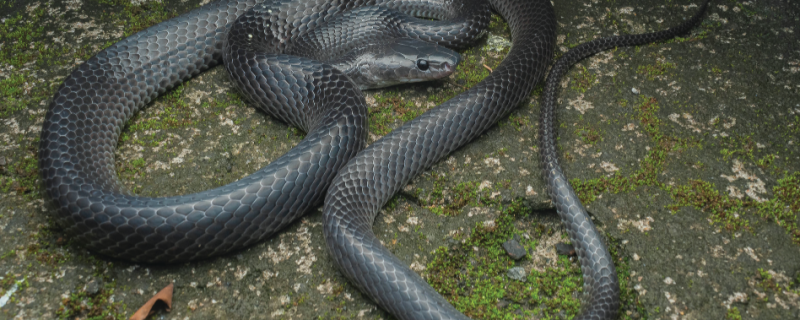
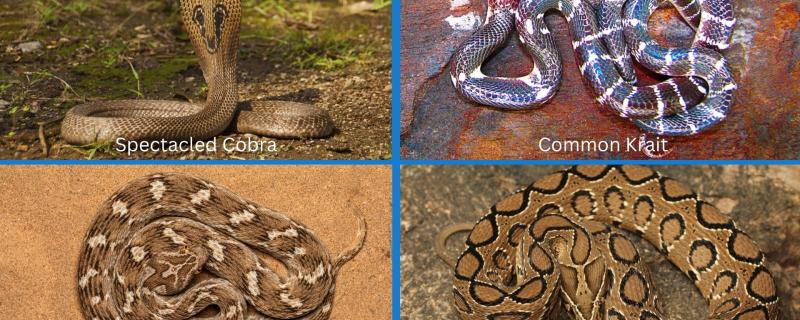
New study on India's four most medically important snakes—the spectacled cobra, Russell's viper, common krait, and saw-scaled viper—has revealed that a snake's age, or life stage, is the dominant factor determining the amount of venom it produces.

Madurai
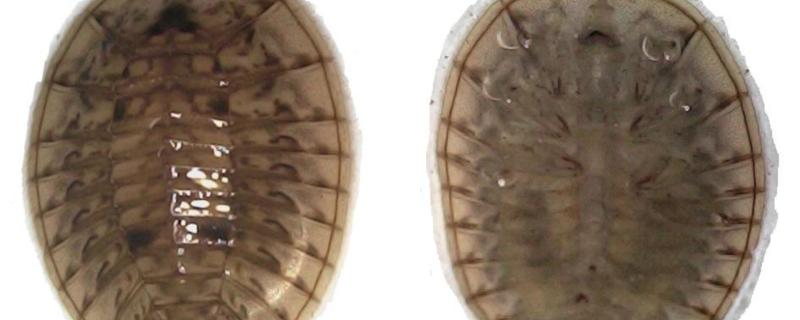
Jaechanax kuranganiensis larva. Credit authors - https://doi.org/10.55446/IJE.2025.3421

Researchers have uncovered a previously unknown species of the unique aquatic insect known as the water-penny beetle, marking the first-ever record of its genus in Tamil Nadu. The discovery, made in the fast-flowing Kurangani stream of the Bodi hills, introduces Jaechanax kuranganiensis to the world.

Dehradun

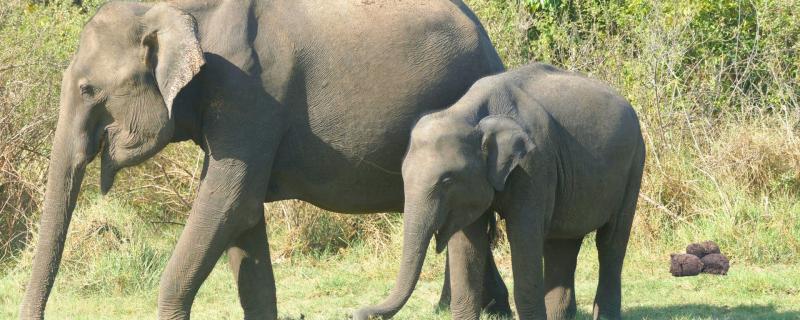
Researchers used genetic tracking and spatial modelling to overcome the limitations of dung counts, providing a reliable census of Asia's threatened elephants.

Search Research Matters