Science

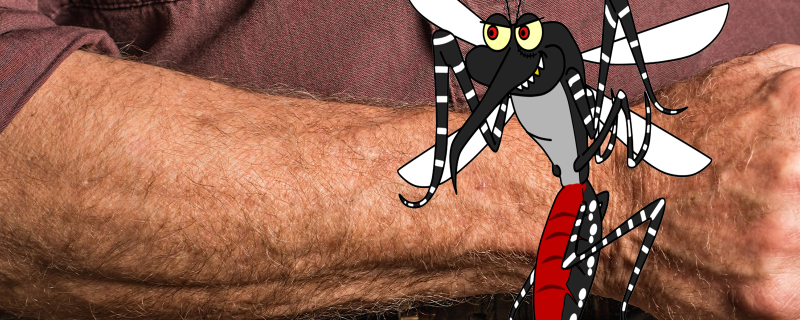
Have you ever wondered why some of us are mosquito magnets? It is well established that only female mosquitoes bite because they need protein from our blood to nourish their eggs. And, they are picky about their blood meal; look for several factors in their target before digging their proboscis.

Science is still figuring out the complex mechanisms behind their bias, and it turns out to be no less than rocket science.

Mumbai

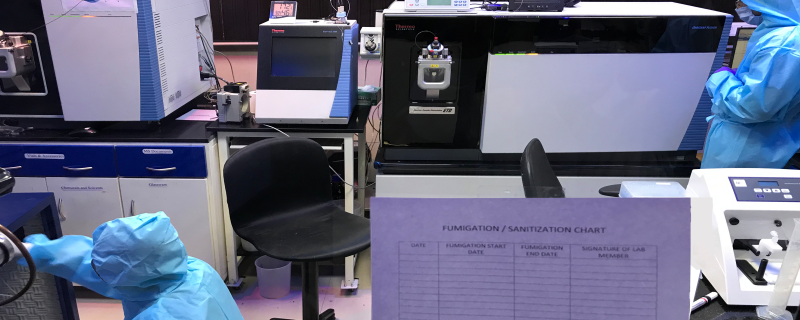
Researchers use mass spectrometry to determine the intensity of Covid-19 infection. 

Bengaluru

Research Matters caught up with Dr M D Madhusudan, one of the researchers involved in developing a high-resolution map of Open Natural Ecosystems (ONEs) in India, to gain insights into their work. Here are excerpts from the interview.

Bengaluru

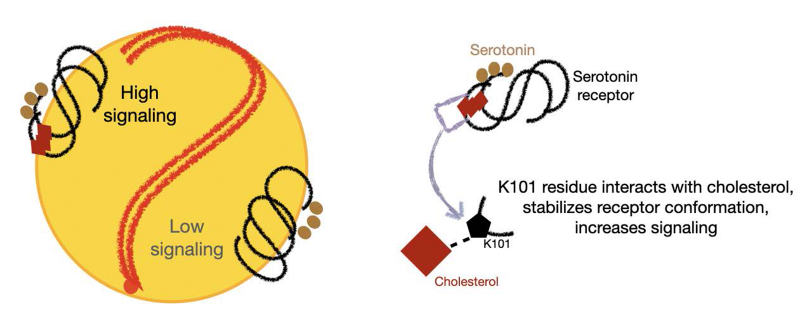
Researchers have identified that Lysine (K101) in the CRAC I region of the Serotonin receptor binds to cholesterol in the cell membrane and stabilizes its interaction with the receptor. 

Mumbai

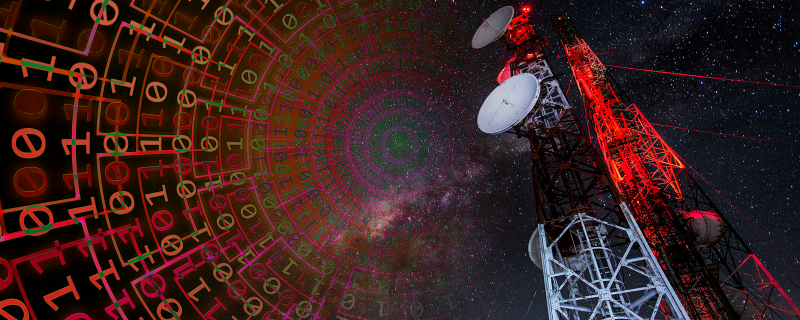
Researchers develop a new AI-powered algorithm that significantly improves the energy efficiency of a wirelessly powered communication network.

Canberra, Australia

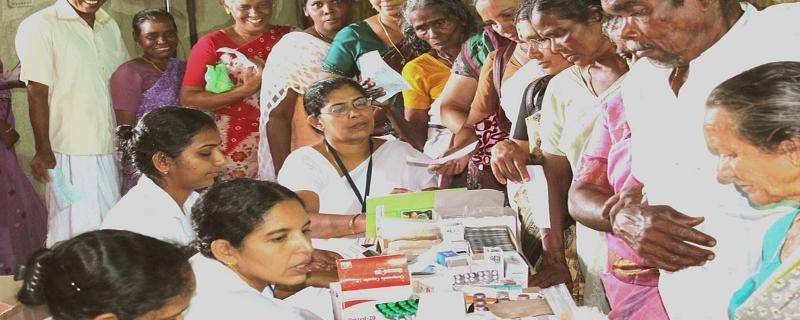
A study identifies that social networking plays a vital role in enhancing healthcare access for older widows in Kottayam, Kerala.

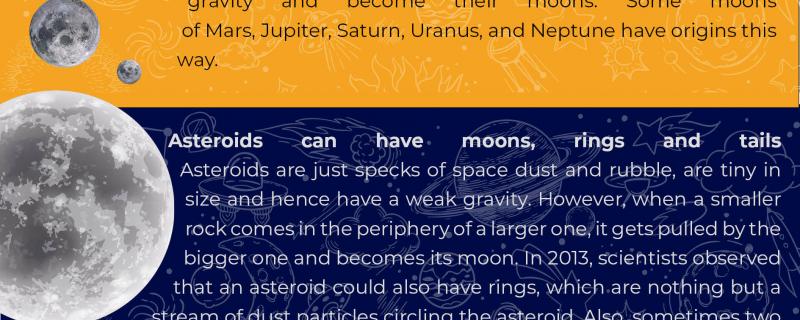
1. Asteroids are relics from the time the solar system was born
Billions of years ago, when the solar system was forming, space dust and debris fused to form rocks and rubble. As the rocks churned, they rammed into one another, merged and formed planets and moons.
Asteroids are the leftover rubble from those times. They have remained unchanged over billions of years.

Bengaluru

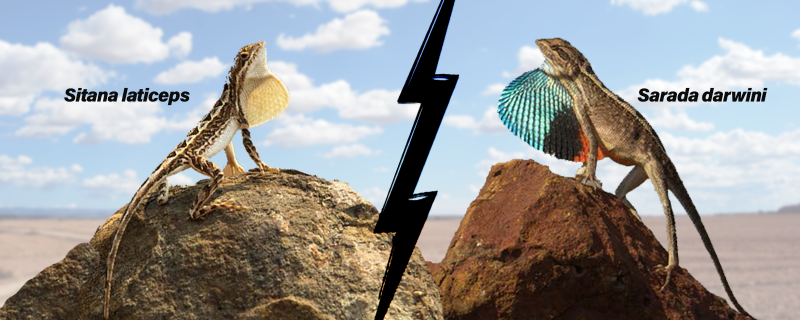
Researchers find that altered signalling patterns for survival by a fan-throated lizard species could be setting the stage for its evolution

Mumbai

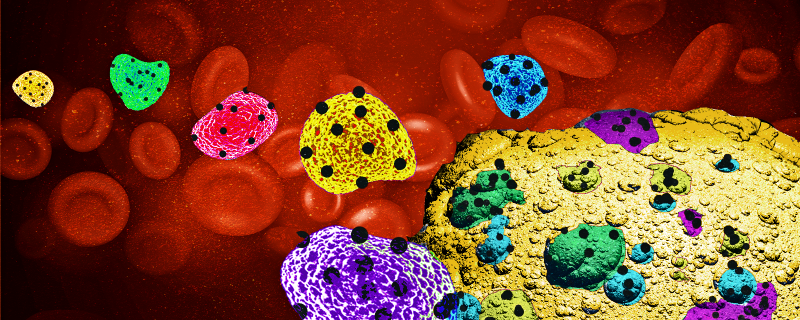
Research finds that cancer cells of different sizes and stiffness are more invasive than a group of uniform cells.

Search Research Matters