A new review reveals that rising global temperatures, increased pollution, and extreme weather events are driving a global surge in eye diseases, disproportionately affecting vulnerable communities and challenging healthcare systems.

Deep-dive

Bengaluru

Diabetes is a chronic, life-threatening disease affecting over 8.8% of the Indian population. These individuals often need specialised medical care and support to keep the blood glucose levels in check and ward off complications. Hypertension, a condition where the blood pressure is high, is also chronic and is known to affect about one in three adults in India. As both these conditions are chronic and life-threatening, they pose a significant burden on India’s healthcare system. But, what happens when they coexist in an individual?
A recent study, published in the Journal of Human Hypertension, highlights the plight of individuals in India, with both hypertension and diabetes.

Mumbai

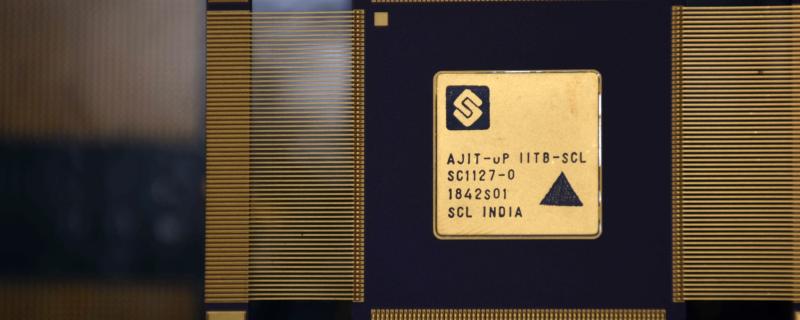
Researchers at IIT Bombay develop the country’s first indigenously designed and fabricated microprocessor. 

Bengaluru

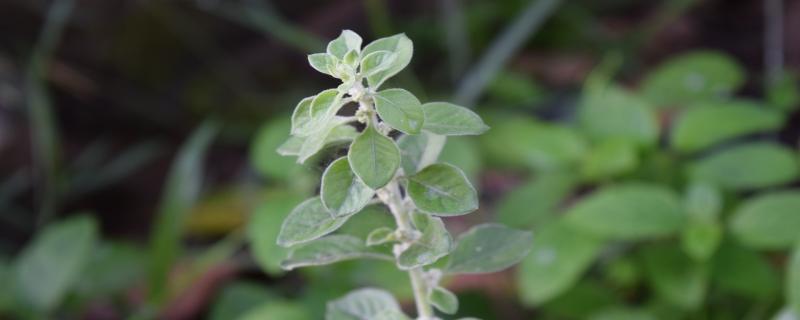
Indigenous tribal communities usually reside in harmony with their environment and possess the knowledge, passed down to them by tradition, of the nutrient-rich food available in their surroundings. These traditional foods are rich in proteins and micronutrients. Globally, almost a billion people are dependent on these foods for adequate nutrition. However, despite this treasure of knowledge and proximity to the biodiverse environment, the tribal communities face widespread malnutrition. A diverse diet, consisting of the specific indigenous foods known and accessible to these communities would fulfil the micronutrient need. But because of reasons like easy access to markets, food security programs and other opportunity costs of accessing diverse food sources, tribal communities are transitioning towards monotonous modern diets, which may contribute to hidden hunger in them.
Dr Suparna Ghosh Jerath of the Indian Institute of Public Health-Delhi (IIPH-Delhi) realised the importance of studying and documenting this treasure trove of knowledge of indigenous foods and food habits and exploring the possibility of utilising this knowledge to address malnutrition in the tribal communities.

Bengaluru

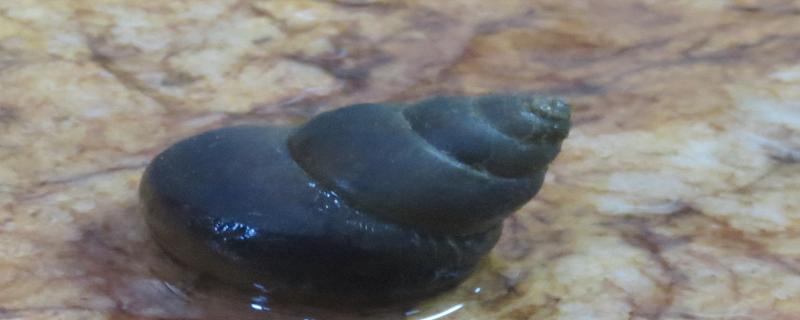
Mud snails, also known as mystery snails, live in freshwater and belong to a snail family called Viviparidae. They are found throughout the world except in South America and Antarctica. Such globally distributed species incite interesting questions about their dispersal across different continents. In a recent study, researchers in Bengaluru from the Ashoka Trust for Research in Ecology and the Environment (ATREE) and the Indian Institute of Science (IISc), investigated manifestation of these mystery snails in India.

Delhi

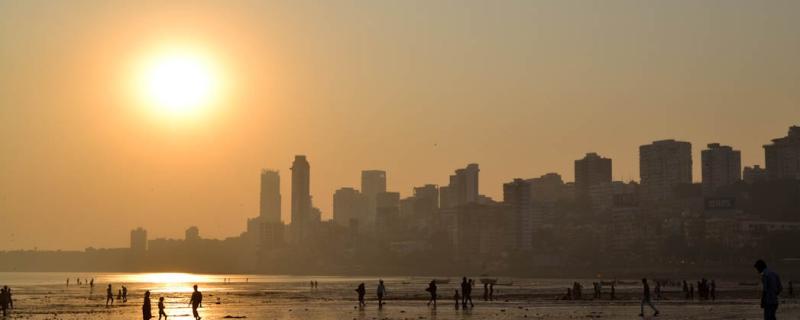
Researchers from the IDFC Institute, look into the sustainability of the current definition of “urban” in India.

Bengaluru

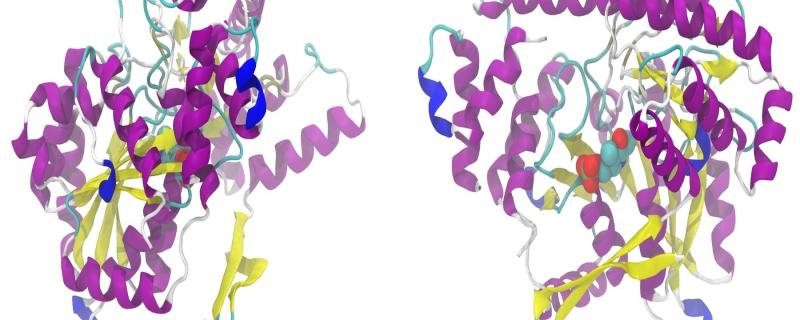
In a recent study, researchers at the Indian Institute of Science Education and Research (IISER) Mohali, have studied the mechanism behind the phase separation of the tau protein fragment that forms characteristic aggregates associated with Alzheimer's disease.

Bengaluru

Prostate cancer occurs when the cells of the prostate gland—a male reproductive organ—start growing abnormally due to the elevated level of androgens. Androgens are hormones required for development and maintenance of the male reproductive system. Androgen Deprivation Therapy (ADT) is the most commonly used treatment against prostate cancer, wherein the androgen production is reduced or the receptors, which are required for androgen to function, are blocked with the help of drugs like enzalutamide and apalutamide.

Bengaluru

We all remember learning to read—at first, we were taught to read each letter or sound at a time laboriously. Eventually, we picked up reading entire words and sentences effortlessly. But, it is not yet clear as to what changes in our brain when we learn to read. In a recent study, researchers at the Indian Institute of Science, Bengaluru, have identified these changes in the brain changes that help in visually processing the words and helps us to read efficiently. The study was published in the journal Psychological Science and was funded by the Department of Biotechnology-Indian Institute of Science (IISc) Partnership Programme and the Wellcome Trust/DBT India Alliance.

Bengaluru

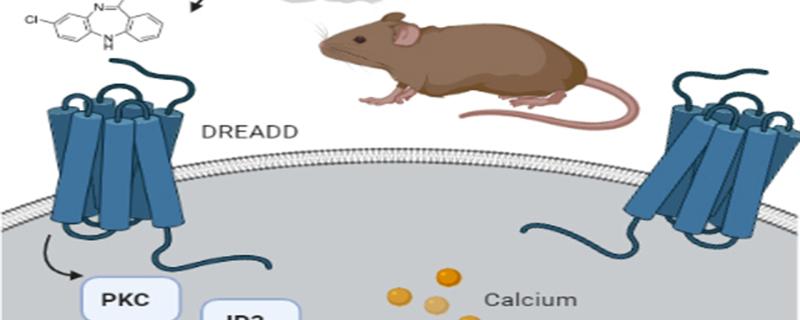
Chemogenetics is a technique that uses chemicals to understand how neurons are activated. It manipulates genes to place the neurons under the control of special receptors called DREADDS. Short for Designer Receptors Activated by Designer Drugs, these receptors only bind to an inert chemical called Clozapine-N-Oxide (CNO). In a recent study, researchers from the Tata Institute of Fundamental Research (TIFR), Mumbai, and Jawaharlal Nehru Center for Advanced Scientific Research (JNCASR), Bengaluru, point out specific flaws in this technique.

Bengaluru

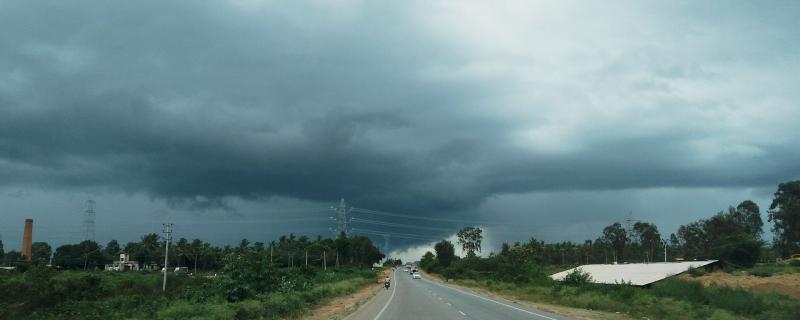
Researchers from the Indian Institute of Science, Bangalore; Indian Institute of Tropical Meteorology, Pune; and Florida State University, USA; have mathematically computed a multidecadal variability in the Indian summer monsoon rainfall and the global sea surface temperature. They have established that Indian monsoon rainfall exhibits a 67-year oscillation and is closely linked to the sea surface temperature cycle, which also shows a similar 67-year swing. The study also shows that 80% of all droughts have occurred in the rainfall cycle’s ‘negative phase’, associated with a below-average rainfall; whereas 60% of all floods have occurred in the positive phase, marked with above-average precipitation. Their findings have been published in the Quarterly Journal of the Royal Meteorological Society.

Search Research Matters