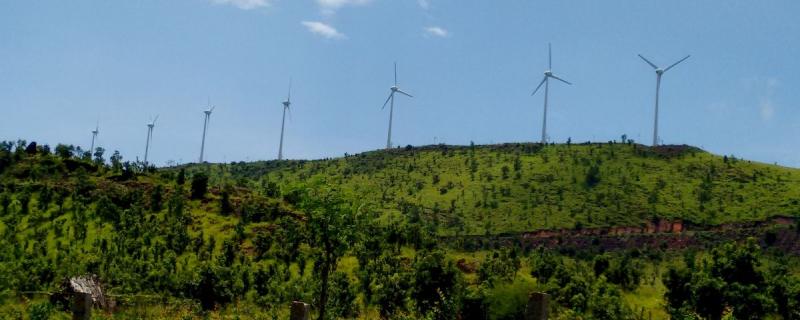
New research from India reveals that, contrary to long-held scientific beliefs, feeding on trees and shrubs does not provide Asian elephants with more protein than grazing on grass.

Engineering

Chennai

IIT Madras researchers have developed a new tool to accurately model the beam-column joints in buildings accurately and predict when they might fail.

Mumbai

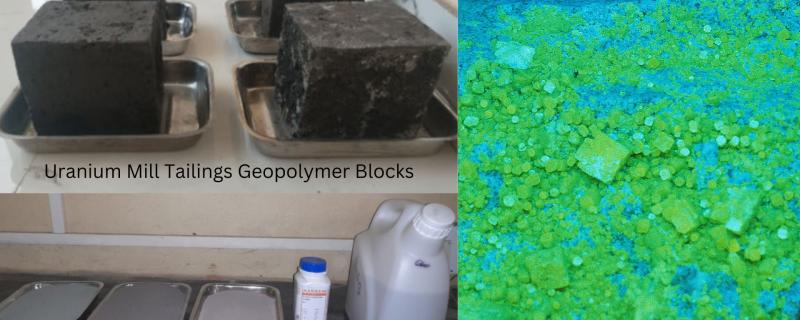
Researchers from BARC have developed a unique solution to piling Uranium mill tailings: converting them into a geopolymer block for construction.

Guwahati

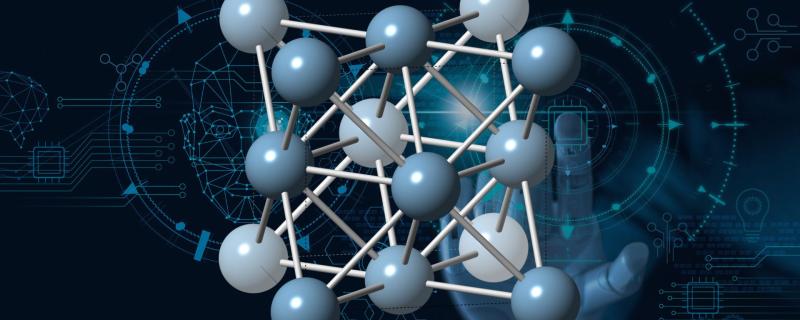
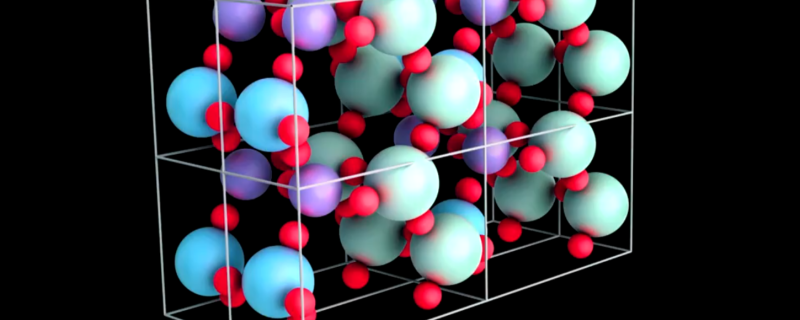
Researchers have used machine learning and optimization tools to create new super-alloys without any rare and expensive materials.

Mumbai

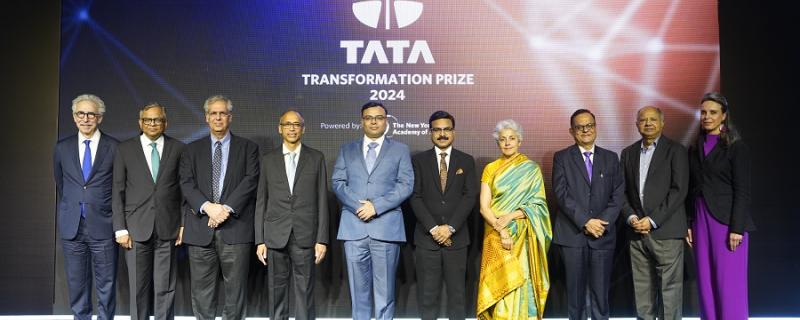
Prof. Amartya Mukhopadhyay won the Tata Transformation Prize 2024 in December for his work.

Bengaluru

On 17th January 2025, Satya Nadella, Microsoft's Chairman and CEO, took to X to announce a research paper published in Nature that caught our attention.

Bengaluru

A new study examines complex jointed rocks making up the slopes on the banks of the Chenab River to improve the stability and safety of the Chenab bridge that rests on it.

Mumbai

IIT Bombay researchers have identified bacteria that can consume toxic pollutants in the soil and produce helpful nutrients as a byproduct.

Bengaluru

Imagine if we could predict the properties of materials without having to test them in a lab. This would save a lot of time and money, and it could help scientists discover new materials with amazing properties, like super-strong metals or super-efficient semiconductors. This is exactly what researchers at the Indian Institute of Science (IISc) and University College London are working on. They are using machine learning tools to predict material properties, even when there is limited data available.

Mumbai

The device uses a protein based biosensor to detect harmful pollutants like phenol and benzene from water samples

Bengaluru

Six researchers under the age of 40 recognized for their seminal contributions across diverse fields.

Search Research Matters