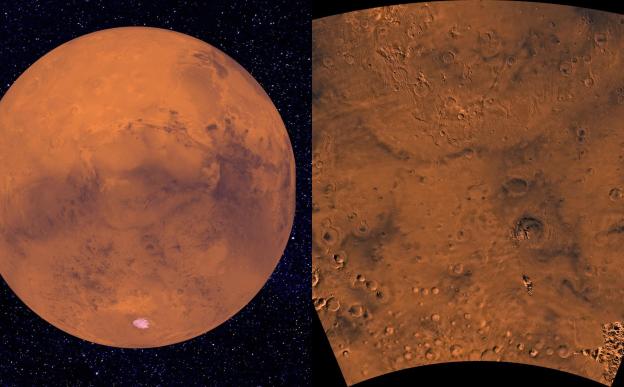
मंगल ग्रह पर स्थित घाटियों के जाल से प्राप्त नए प्रमाण इस बात की पुष्टि करते हैं कि लगभग चार अरब वर्ष पहले नोआकियन काल में उष्ण और आर्द्र जलवायु धीरे-धीरे परिवर्तित होकर लगभग तीन अरब वर्ष पहले हेस्पेरियन काल तक ठंडी और हिममय हो गई थी।

Archives

New research reveals that as logged forests become hotter and drier, birds forced to live outside their specific temperature and humidity preferences suffer from lower body weight and reduced survival rates.
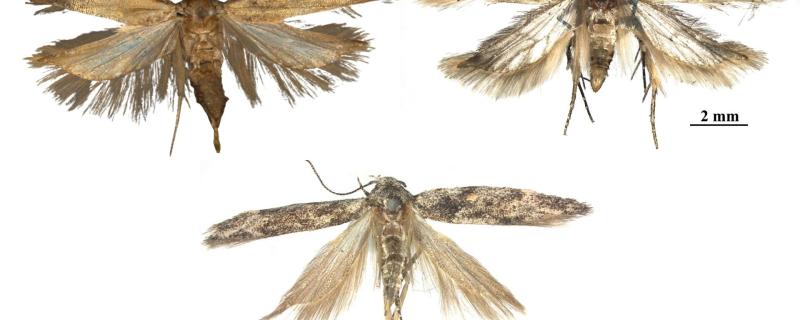
Gelechia bilobuncusa (top, left: ), Gelechia adi (top, right), and Istrianis ladakhensis (bottom). Image credit: Authors, https://doi.org/10.11646/zootaxa.5728.1.6

New research reveals that cultural tolerance and political pressure, rather than just biological science, dictate the life or death of tigers in India and wolves in Germany.

New evidence from Martian valley networks confirms a gradual climate shift from warm and wet during the Noachian period, around 4 billion years ago, to cold and icy by the Hesperian period, around 3 billion years ago.

मंगल ग्रह पर स्थित घाटियों के जाल से प्राप्त नए प्रमाण इस बात की पुष्टि करते हैं कि लगभग चार अरब वर्ष पहले नोआकियन काल में उष्ण और आर्द्र जलवायु धीरे-धीरे परिवर्तित होकर लगभग तीन अरब वर्ष पहले हेस्पेरियन काल तक ठंडी और हिममय हो गई थी।

मंगळावरील प्राचीन नोआकियन कालखंडातील (सुमारे ४०० कोटी वर्षांपूर्वी ) उष्ण-आर्द्र हवामान हळूहळू बदलत जाऊन हेस्पेरियन कालखंडापर्यंत (सुमारे ३०० कोटी वर्षांपूर्वी) शीत व हिमाच्छादित बनले असे तेथील दऱ्यांच्या प्रदेशातील नव्या पुराव्यानुसार सिद्ध झाले.

Researchers at IIT Guwahati have discovered that while drought shrinks the vertical water channels in plants, it triggers a structural adaptation that boosts the efficiency of sideways water transport, ensuring survival in dry conditions.

Physicists at the Indian Institute of Science (IISc) have discovered that pure mathematical formulae developed by Srinivasa Ramanujan over a century ago for calculating the value of pi are fundamentally connected to modern high-energy physics.

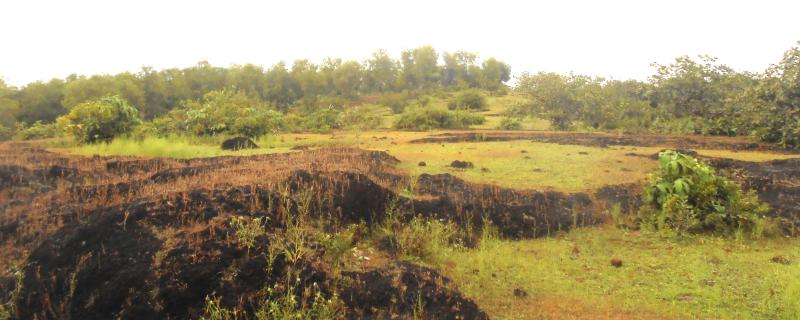
A new open-source satellite tool has revealed the critical ecological and economic importance of India’s Open Natural Ecosystems, challenging the colonial-era classification of these biodiversity hotspots as unproductive wastelands.

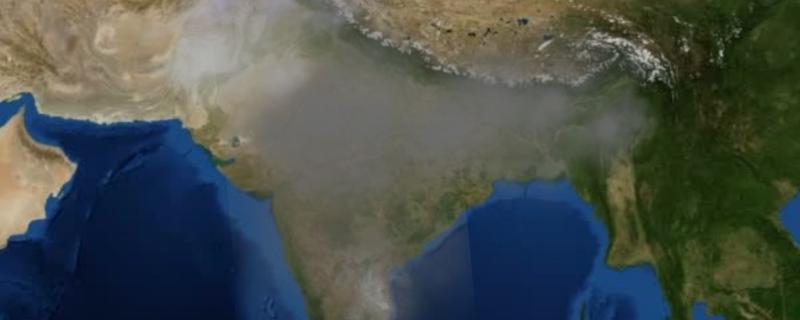
Satellite analysis confirms rising temperatures and wind patterns are driving aerosol spikes across India, with a record high in 2022 following the historic lows of the COVID-19 lockdown.

Search Research Matters