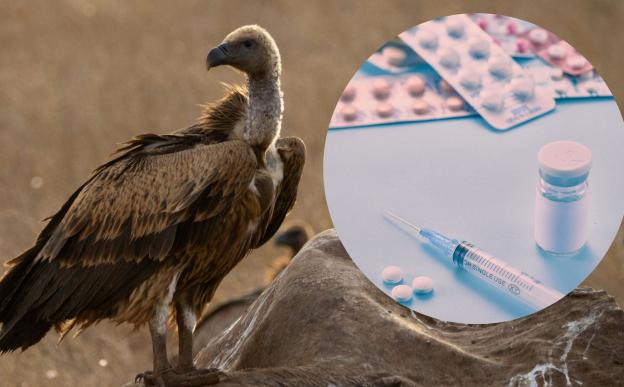
Despite successful bans on the veterinary drug diclofenac in Nepal and parts of India, a decade-long undercover investigation reveals that toxic alternatives like flunixin and nimesulide are rapidly replacing it, posing a renewed existential threat to the region’s critically endangered vulture populations.

Technology

Bengaluru

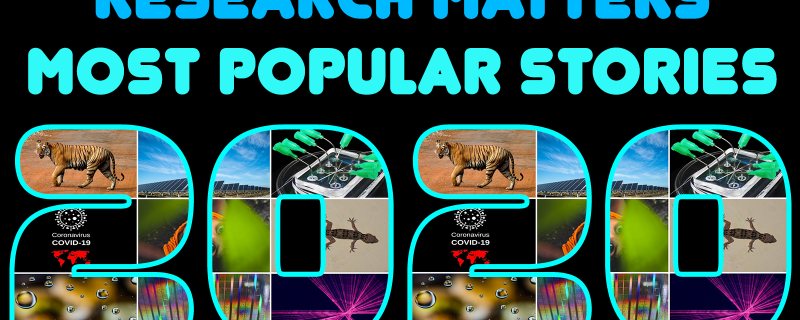
The new year is almost here, and looking back at 2020, the editorial team at Research Matters has put together some of the most compelling stories published during its course. From mental health to nutrition to climate change and new species discovery, we have covered most of India’s best scientific work this year. Curated in no particular order, here are some stories that our team believes deserves another read. Dive in.
Bengaluru

An interesting year this one, with the world locked in and a virus reigning our lives. Nevertheless, there was no dearth of news in science. There was a considerable quantum of studies being reported even outside the realm of the rampant COVID-19 research. At Research Matters, we have tried our best to cover the most interesting stories in the Indian scene and listed below are our most popular stories this year. Take a look.

Bengaluru

The Nobel Prizes award ceremony begins tonight as the winners receive their medals in their home countries. Get a glimpse of the contributions of the Natural Sciences awardees. 

Mumbai

Road monitoring system from IIT Bombay can classify road quality surface using crowdsourced data.

Bengaluru

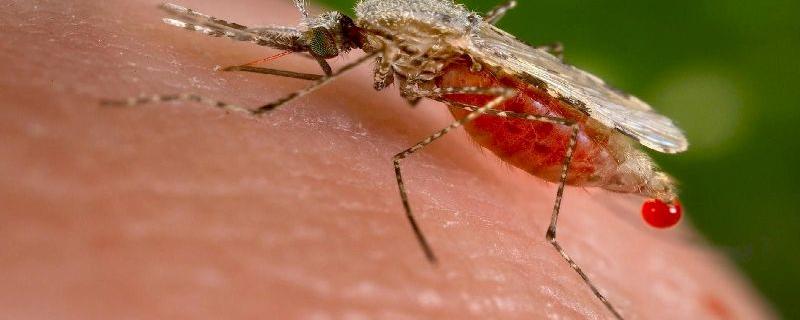
Scientists have successfully grown Indian isolates of P. vivax in different types of human liver cells.

Mumbai

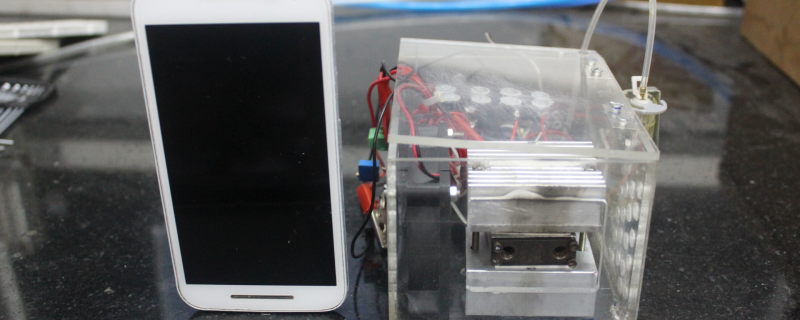
Scientists around the world have been actively looking for eco-friendly alternatives to conventional chemical-based batteries. In one such effort, researchers at the Indian Institute of Technology Bombay (IIT Bombay) have designed a micro-combustor that is efficient and environment-friendly. The study, funded by the Science and Engineering Board (SERB) and Department of Science and Technology (DST), has been published in various journals including Applied Physics Letters, Energy Conversion and Management, and Applied Energy.

Bengaluru

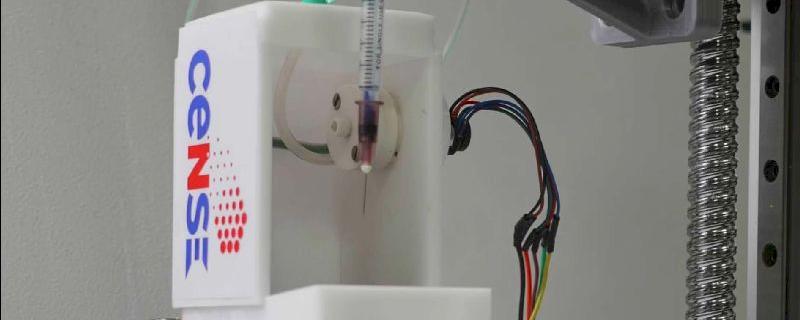
Researchers at the Indian Institute of Science have developed a new technique that can effectively print a wide range of liquids inks including biopolymers, biological solutions containing cells, as well as water-based inks.

Kanpur

In a recent study published in Nature Communications, researchers have described a new statistical method, ‘LinTIMaT’, for reconstructing cellular lineages, giving scientists the ability to deduce the evolution of cells in a biologically growing system.

Bengaluru

New theoretical work demonstrates how sequentially captured images of electrons can be used to show the evolution of electron movement


Bengaluru

An emerging way to treat cancer is immunotherapy, where the patient’s immune system is strengthened to attack cancer cells. It is less painful than surgery, chemotherapy or radiation therapy, and is known to lower the relapse of cancer. Now, researchers at the Indian Institute of Technology Bombay (IIT Bombay) have developed a patented technology to leverage the patient’s immune system to cure cancer.

Search Research Matters